
Things to Consider Before Building a Backyard Swimming Pool
Why Should You Build a Backyard Pool?
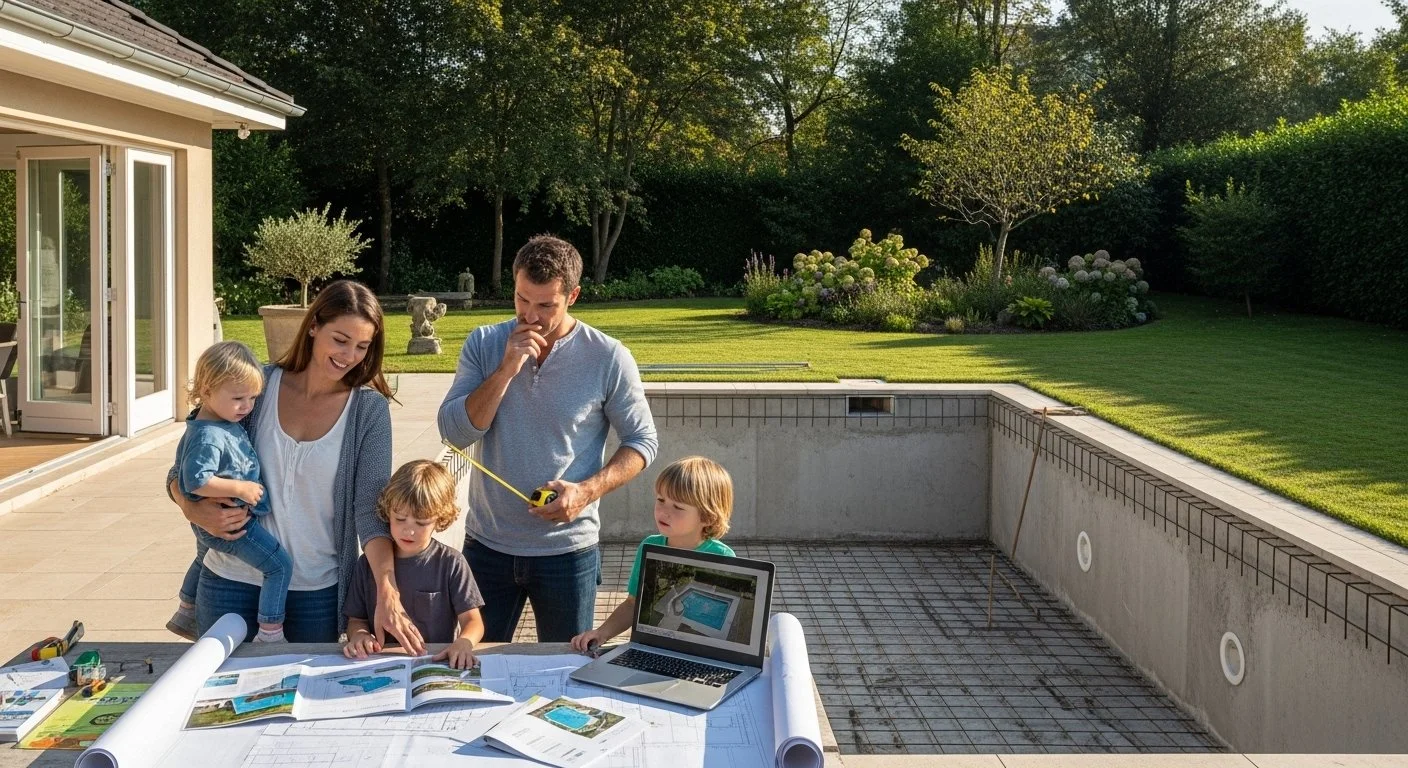
A backyard pool is more than just a luxury feature—it’s an investment in lifestyle, comfort, and property value. For many homeowners, it becomes the centerpiece of outdoor living, offering a place to relax, entertain guests, and spend quality time with family. A well-designed pool can also enhance your home’s aesthetic appeal and create a resort-like atmosphere right outside your door.
If you're planning to transform your outdoor space, explore our Home Page to see how Desert Rock Pools can help bring your vision to life:
What Is the First Step in Building a Backyard Pool?
The first step in any pool project is understanding your goals and planning accordingly. This includes deciding how you intend to use the pool—whether for relaxation, exercise, entertainment, or all of the above.
When considering how to plan a swimming pool, homeowners should evaluate available space, budget, design preferences, and long-term maintenance expectations. Early planning helps avoid costly mistakes and ensures the pool integrates seamlessly with your property.
How Much Does It Cost to Build a Backyard Pool?
The cost of building a pool varies widely depending on size, materials, features, and location. Factors such as excavation difficulty, design complexity, landscaping, and additional features like lighting or spas all influence the final price.
Understanding a custom pool cost estimate is essential before starting the project. While custom pools typically require a higher initial investment, they offer unmatched flexibility in design and long-term value. Budgeting properly ensures you can achieve both functionality and aesthetics without compromise.
Do You Need Permits to Build a Pool?
Yes, in most areas, permits are required before constructing a swimming pool. Local building codes and zoning regulations must be followed to ensure safety and compliance.
Permit requirements may include inspections, safety barriers, drainage considerations, and structural approvals. Working with a professional pool builder helps streamline this process, as they are familiar with local regulations and can handle the paperwork on your behalf.
What Size and Shape of Pool Is Best for Your Backyard?
Choosing the right pool size and shape depends on your backyard dimensions, usage needs, and design preferences. Smaller backyards may benefit from compact or geometric pools, while larger spaces allow for more elaborate layouts.
The layout should complement your outdoor environment and leave enough room for seating, pathways, and landscaping. A well-balanced design ensures your pool enhances rather than overwhelms your backyard space.
Which Pool Type Should You Choose?
There are several pool types available, including concrete, fiberglass, and gunite pools. Each has its own advantages in terms of cost, durability, and customization.
Gunite and concrete pools are ideal for homeowners looking for fully customized designs, while fiberglass pools offer quicker installation and lower maintenance. Your choice should depend on your budget, timeline, and long-term goals for your outdoor space.
How Long Does It Take to Build a Backyard Pool?
The timeline for pool construction depends on factors such as design complexity, weather conditions, and permitting processes. On average, pool construction can take several weeks to a few months.
The overall process includes planning, excavation, structural work, plumbing, electrical installation, finishing, and landscaping. Understanding the pool construction steps helps set realistic expectations and ensures a smoother project experience.
What Should You Consider for Pool Placement?
Pool placement is critical for both functionality and aesthetics. Factors such as sunlight exposure, wind direction, drainage, and proximity to the house all play an important role.
Proper placement ensures efficient heating, reduced debris accumulation, and convenient access. Additionally, integrating the pool with your outdoor living areas improves usability and creates a cohesive backyard environment.
What Safety Features Should Be Included in a Pool?
Safety should always be a top priority when building a pool. Essential features include fencing, non-slip surfaces, proper lighting, and secure access points.
For families with children, additional safety measures such as alarms, covers, and supervision zones are highly recommended. A well-designed pool balances safety with visual appeal, ensuring peace of mind without compromising aesthetics.
What Landscaping Options Work Best Around a Pool?
Landscaping plays a major role in enhancing the overall look and feel of your pool area. Thoughtful backyard landscape design with pool integration can transform a simple installation into a luxurious outdoor retreat.
Choosing the right plants, materials, and layout helps create a harmonious environment. Drought-resistant plants, stone pathways, and shaded seating areas are commonly used to complement pool designs while maintaining functionality and low maintenance.
What Maintenance Will Your Pool Require?
Maintaining a pool involves regular cleaning, water chemistry balancing, and equipment inspections. Tasks include skimming debris, checking filters, monitoring pH levels, and ensuring proper circulation.
Consistent maintenance not only keeps your pool clean but also extends its lifespan and prevents costly repairs. Establishing a routine ensures your pool remains safe, clear, and enjoyable throughout the year.
Should You Hire a Professional Pool Builder?
While some homeowners may consider DIY approaches, hiring a professional pool builder is highly recommended for complex projects. Experts bring experience, technical knowledge, and access to specialized equipment.
What Mistakes Should You Avoid When Building a Pool?
Common mistakes include poor planning, underestimating costs, ignoring drainage issues, and choosing the wrong location. Skipping professional guidance can also lead to structural or design flaws.
Careful planning and expert consultation help avoid these issues and ensure your pool meets both functional and aesthetic expectations. Taking the time to evaluate all aspects of the project leads to better long-term results.
How Do You Choose the Right Pool Builder?
Selecting the right contractor is one of the most important decisions in the pool-building process. Look for experience, customer reviews, portfolio of completed projects, and transparent pricing.
A reliable builder will guide you through design, permits, construction, and finishing, ensuring a smooth and stress-free experience. Clear communication and proven expertise are key indicators of a trustworthy professional.
Conclusion: Are You Ready to Build Your Backyard Pool?
Building a backyard pool is a significant investment that requires careful planning, budgeting, and decision-making. From design and placement to construction and maintenance, each step plays a crucial role in the success of your project.
By understanding the key considerations and working with experienced professionals, you can create a beautiful, functional, and long-lasting outdoor space that enhances your lifestyle.
FAQs
1. What is the best time to build a backyard pool?
The best time to build a pool is typically during mild weather seasons when construction conditions are stable and permits can be processed efficiently.
2. How deep should a backyard pool be?
Pool depth depends on usage. Residential pools often range from shallow lounging areas to deeper sections for swimming or diving.
3. How much space do I need for a pool?
The required space depends on pool size and design. Even smaller backyards can accommodate compact pool designs with proper planning.
4. What is included in pool construction steps?
Pool construction generally includes design, excavation, structural framing, plumbing, electrical work, finishing, and landscaping.
5. Can I customize my pool design?
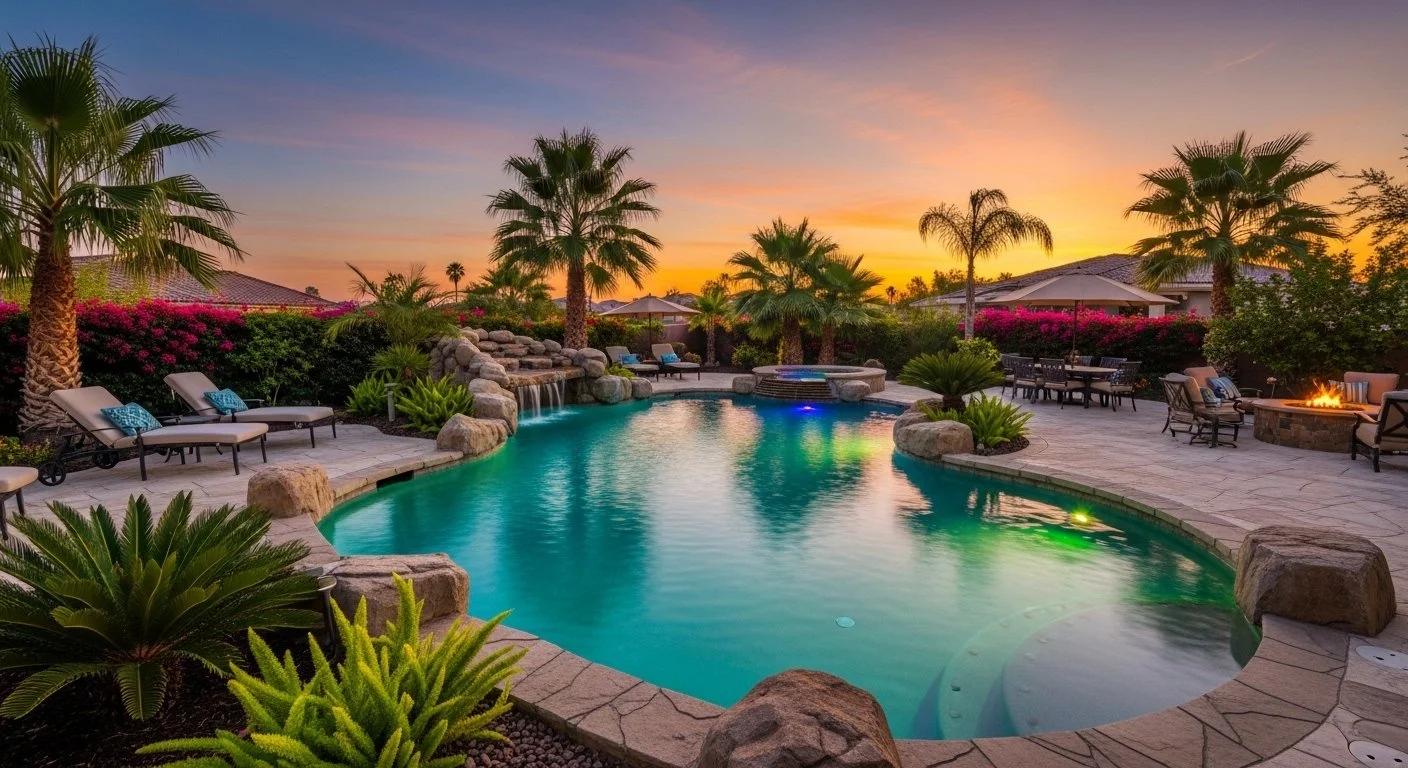
Yes, custom pools can be tailored with unique shapes, depths, water features, lighting, and landscaping elements to match your preferences.